
The DISC Advanced® profile
Dr William Marston theorised that people were motivated by four intrinsic drives that direct behavioural patterns and developed the DISC® model in his 1928 book, Emotions of Normal People.
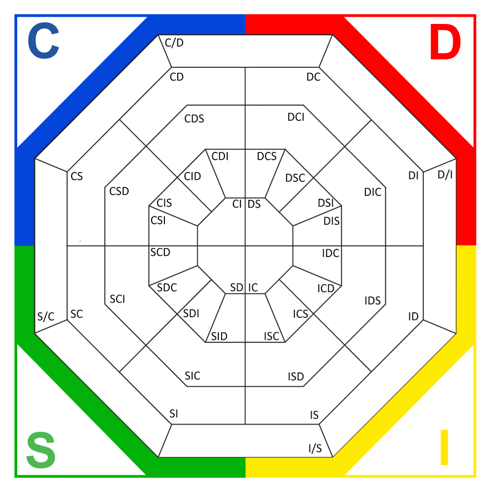
Walter Clarke refined the model and created the first assessment tool in the late 1940’s. DISC Advanced® was developed in 1994 and takes the theory deeper and explores up to 44 various combinations of preferences.
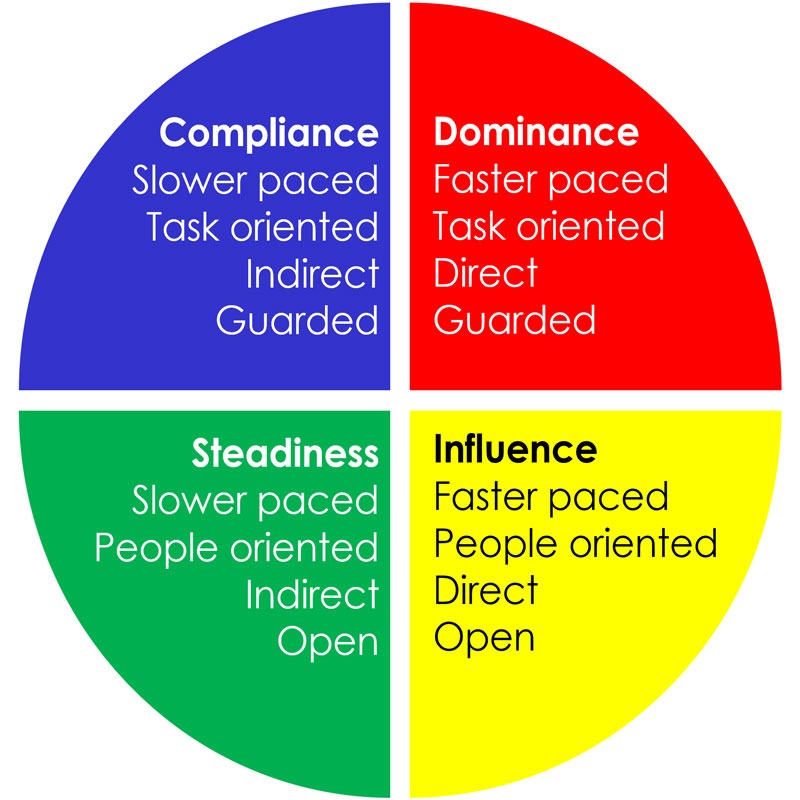
The system maps four primary behavioural drives:
D – Dominance
I – Influence
S – Steadiness
C – Compliance
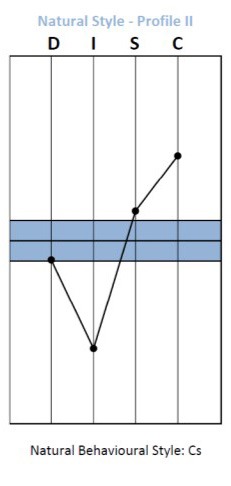
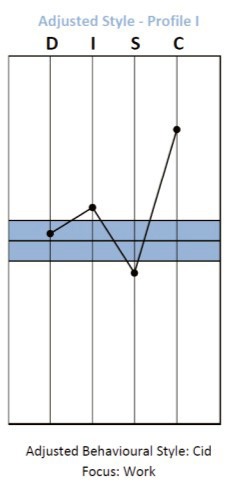
DISC Advanced® is a ‘real-world’ tool designed from the ground up for the workplace. It provides a simple, actionable key to understanding behavioural tendencies – specifically measuring both a person’s subconscious Natural Style and their conscious, workplace driven Adjusted Style.
Why choose DISC Advanced®?
While there are many versions of DISC available, DISC Advanced® goes deeper to offer distinct, professional advantages:
- More accurate frameworks: Identifies 44 distinct behavioural style combinations, compared to just 4 to 16 in traditional DISC assessments.
- Built-in reliability filters: Features advanced mechanisms that flag “gamed” or unreliable answers, ensuring respondents answer truthfully rather than just saying what they think employers want to hear.
- Environment insights: Reveals if an employee is currently comfortable, feeling restricted, or being stretched too far by their current workplace environment.
- Action-oriented outcomes: Focuses heavily on continuing development post-training, backed by concrete workplace action plans.
Key benefits for individuals and teams
Self-awareness is the cornerstone of Emotional Intelligence. Implementing DISC Advanced® empowers participants to:
- Enhance communication: Learn to identify other behavioural styles and adapt communication to match them.
- Maximise team strengths: Understand the unique values individual members bring to the organisation.
- Manage under pressure: Discover exactly how individual behaviour shifts under pressure, stress, and conflict.
- Formulate clear growth plans: Develop a tailored action plan to seamlessly bridge the gap between training and daily operations.
Comprehensive reporting and variations
Participants receive an in-depth 27-page Individual Report covering behavioural insights, core motivations, preferred work environments, and a built-in Action Plan.
Other specialised assessments include:
- Leadership assessment: The complete individual report enhanced with targeted, effective leadership techniques.
- Sales assessment: Standard behavioural insights paired with specialised strategies to boost sales performance.
- Pair assessment: Evaluates how two individuals complement each other, mapping out potential gaps and collaboration strategies.
- Team assessment: Analyses overarching team dynamics, mutual adjustments, collective strengths, and developmental spaces.